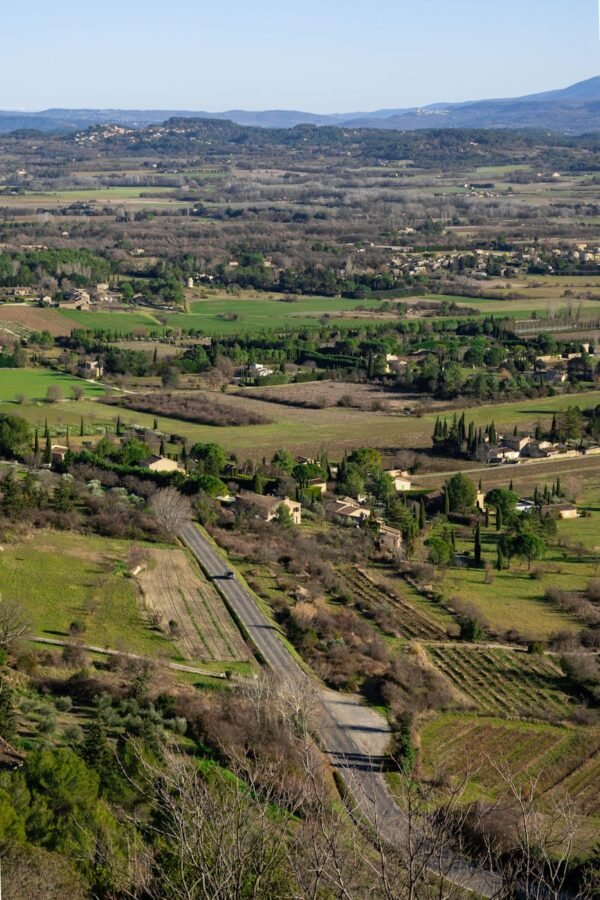
Jura, France
The Producer
Comté is produced through a cooperative system rather than a single estate. Small village dairies, known as fruitières, collect milk daily from surrounding farms. This structure ensures consistency in method while allowing variation in expression. Each wheel reflects both collective production and local conditions.
What It Is
Comté is a raw cow’s milk cheese made using a cooked and pressed method, then aged for a minimum of 12 months. The milk must come from Montbéliarde or French Simmental cows raised under strict regional guidelines. Animals graze on natural pasture during warmer months and are fed dry hay in winter. Silage is not permitted. These conditions define the quality of the milk and, in turn, the character of the cheese.
Cheese Facts
- Milk: Raw cow’s milk
- Style: Cooked, pressed
- Aging: 12 to 36 months
- Region: Jura, France
- Production: Cooperative dairies (fruitières)
- Texture: Firm, dense, elastic
- Profile: Nutty, savory, lightly sweet
- Location: https://maps.google.com/?q=Jura+France
Structure
Comté develops through aging, and its structure reflects time. Younger wheels present a more elastic texture with a noticeable lactic sweetness, while extended aging leads to a firmer, more compact paste. Flavor concentration increases, salt integrates, and aromatic complexity expands in a controlled way.
Tasting Profile
The profile begins with nutty notes and develops into a broader range of flavors. Toasted nuts and brown butter form the base, followed by dried fruit and a deeper savory character. With age, small crystalline formations appear, adding a subtle textural contrast and signaling maturity.
Why It Matters
Comté reflects both process and environment. Seasonal variation in milk, controlled production methods, and aging decisions all contribute to the final result. Each wheel maintains the framework of the style while expressing variation in detail, which makes it consistent in identity but dynamic in expression.
Where It Sits
Comté occupies a middle ground within aged cheeses. It offers more structure than softer alpine styles while remaining more balanced than aggressively aged hard cheeses. This positioning allows it to integrate across a wide range of pairings without overwhelming them.
Recommended Pairings
White wines with defined acidity and structure provide balance.
Oxidative or nut-driven profiles complement its flavor development.
Lighter red wines with restraint maintain harmony and preserve clarity.
At CARTA
Comté sits naturally within a program that focuses on structure, origin, and progression across both cheese and wine. In that context, it functions as a reference point for balance and depth, aligning with how selections are approached at CARTA Wine Bar in New York.